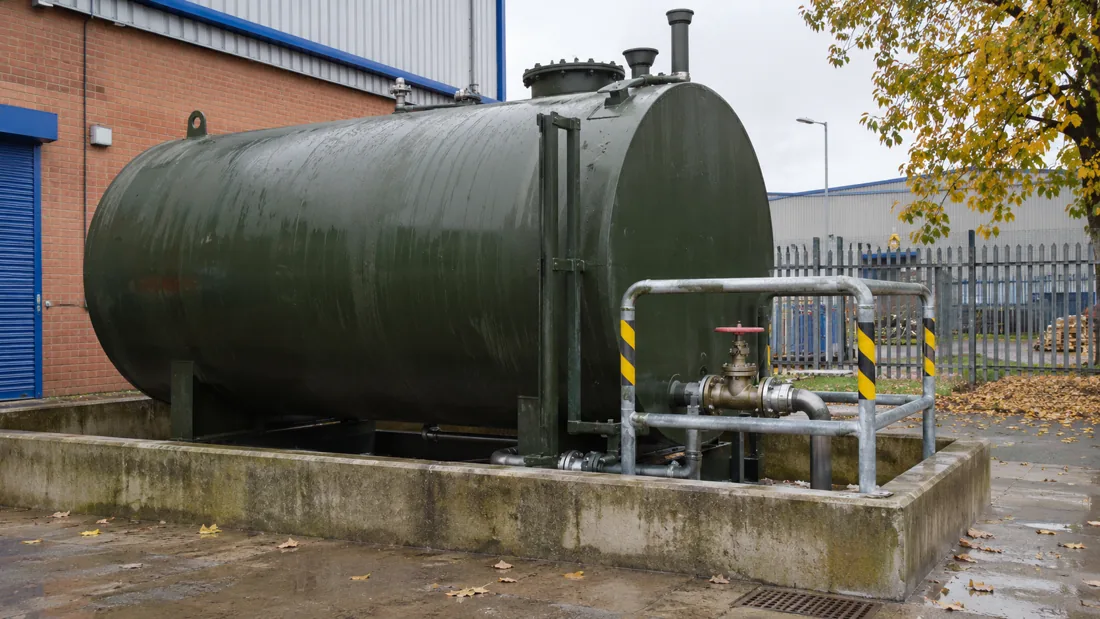
An Option To Assess Before Excavation
Tank foam filling in Birmingham is a potential route for permanently closing a redundant tank in place. It may be considered where removal would be obstructed by surrounding structures or would create substantial disruption. Suitability depends on the tank, its previous contents, environmental condition and the planned use of the ground above it.
The starting question is why the tank cannot be removed. Provide the available evidence rather than assuming filling will be simpler or cheaper. A comparison needs to include preparation, access, material, records and the implications for later redevelopment, not just the immediate excavation cost.
Use The Future Site Plan As A Decision Guide
If the area will soon be excavated for foundations, services or another development, retaining a filled tank may defer a problem rather than resolve it. Show the proposed works and intended surface loads to the project adviser. The tank location needs considering within that wider design.
If the tank is to remain under an otherwise undisturbed area, an appropriate filling proposal can be investigated. Its condition, geometry and access points affect the method. Any uncertainty about hidden compartments or the tank’s actual size needs resolving before material quantities and completion checks are agreed.
Filling does not establish that the vessel or its contents can support a building, traffic or other loads. Any structural requirement needs assessment by the relevant designer. Do not treat a filled tank as a designed foundation or general ground improvement without that separate engineering decision.
Preparation Comes Before Filling
A redundant tank can retain fuel, water and sediment even when the gauge reads empty. Its contents and connected pipework must be assessed within the closure plan. Foam should not be viewed as a way to hide unknown liquids or avoid proper handling of residues.
The preparation scope should identify isolation, removal of contents, cleaning and the controls needed for the selected method. Previous product history matters, especially if the vessel has held different fuels over its life. Share any existing inspection, sampling or decommissioning information.
Where fuel is potentially recoverable, agree its destination separately from waste residues. The quantity left affects transfer requirements and the preparation programme. Do not add water, chemicals or another material to the tank in an attempt to prepare it before the specialist assessment.
Confirm The Filling Method For This Tank
The specification should describe the proposed filling material and why it suits the job. Different products and tank arrangements need different controls. Ask how the contractor will establish the capacity, manage available openings and record the extent of filling, rather than accepting the word foam as a complete method statement.
Environment Agency guidance on underground tank decommissioning describes appropriate permanent filling options. That guidance does not replace a site assessment or resolve all planning, structural and environmental questions. For permanent retention underground, the Environment Agency must be satisfied there is no risk of soil or groundwater pollution. Resolve that requirement before committing to filling.
Temporary atmosphere-control methods and permanent closure materials serve different purposes. If an old report mentions foaming, ask what was used and what condition the tank was left in. The phrase alone is not reliable evidence of a permanent completed fill or a basis for later excavation.
Photographs, Plans And Site Access
Send a plan marking the tank, available dimensions or capacity, previous contents and the reason for closure. Include safe photographs of visible access covers, fill points, vents and the surrounding surface. State whether the tank has already been partly treated or whether another contractor has opened it.
Describe where preparation and filling vehicles could stand and the likely hose route. Steps, occupied walkways, shared yards and locked access points may affect the operation. Tell us if the working area must reopen between visits or if neighbouring businesses rely on the same route.
Known leaks, stained ground and fuel odours should be disclosed before the method is selected. Filling a vessel does not remove contamination outside it. Environmental investigation or remediation may be a separate requirement, and the project needs to avoid confusing tank closure with a wider clean-up of the land.
Costs, Records And Later Work
The price depends on tank volume, configuration, contents, preparation, filling material and access. Unknown dimensions or undocumented previous treatment can prevent a reliable final scope. Specialist assessments, environmental sampling and reinstatement should be identified as separate items where needed.
Ask for a completion record stating the location, tank identity, preparation, material used and any limitations or retained connections. Applicable waste documentation relates to the contents removed during preparation. Keep the record with site plans and give it to future designers and contractors when work may affect the area.
Permanent retention has long-term implications. If the tank later has to be excavated, the filling material becomes part of the removal project and its handling must be assessed. A useful decision now considers that future work, rather than promising that a filled vessel will never need further attention.
Tank Foam Filling: Questions
Does Foam Filling Remove Ground Contamination?
Foam filling does not remove ground contamination. It addresses the tank through an agreed closure method, while any fuel that has escaped outside the vessel is a separate environmental issue. Report evidence of leakage and share existing ground reports so the filling proposal can be coordinated with any investigation or remediation needed.
Can A Filled Tank Be Built Over?
Building over a filled tank requires a separate design decision. Filling is not proof of bearing capacity or a suitable foundation. Show the tank location and closure records to the project designer before foundations, new services or vehicle-loading changes are planned, and compare retention with removal in that wider project context.